MAN’s Barbaros Oktay takes over chairmanship of ACEA Bus and Coach Division
Barbaros Oktay, Head of Bus at MAN Truck & Bus, has been appointed chairman of ACEA’s Bus and Coach Division for a one-year mandate, following the 2025’s term of Daimler Buses’ CEO Till Oberwörder. The European Automobile Manufacturers’ Association has named Barbaros Oktay as the new chair of its bus and coach sector, representing European […]
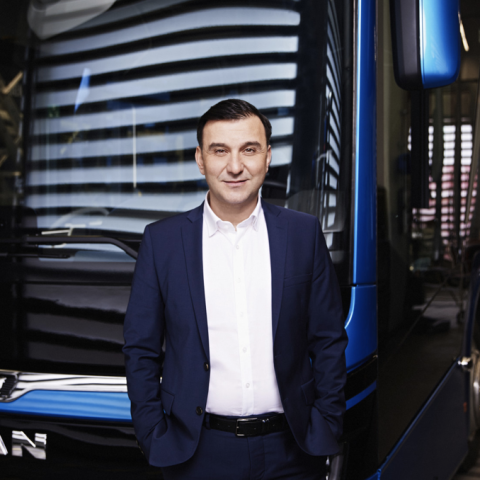
Barbaros Oktay, Head of Bus at MAN Truck & Bus, has been appointed chairman of ACEA’s Bus and Coach Division for a one-year mandate, following the 2025’s term of Daimler Buses’ CEO Till Oberwörder.
The European Automobile Manufacturers’ Association has named Barbaros Oktay as the new chair of its bus and coach sector, representing European bus manufacturers in institutional dialogue with policymakers in Brussels.
Potrebbe interessarti
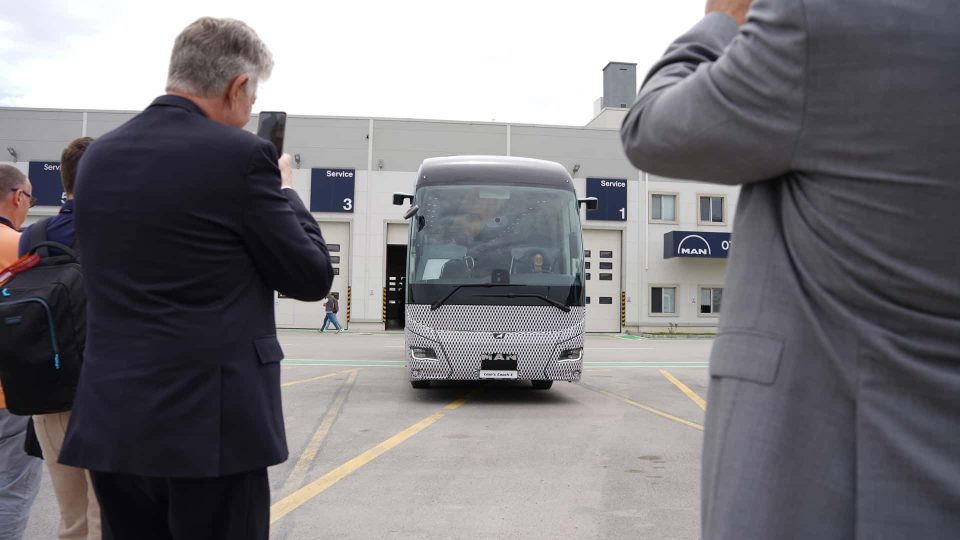
“The coach market already offers a viable business case for electrification”. Take MAN’s Barbaros Oktay’s word for it
Barbaros Oktay elected chair of ACEA Bus and Coach Division
Oktay has led the bus business at MAN Truck & Bus since 2023. According to figures shared in MAN’s press note, MAN sold more than 7,000 buses in fiscal year 2025, returning to pre-pandemic volumes. Electric city bus sales increased by more than 118 percent to over 1,300 units.
The company also underlines the broader transition of the European bus sector toward zero-emission powertrains, describing the city bus segment as one of the pioneers of electrification within the automotive industry.
MAN adds that electric mobility is increasingly extending to coach applications. The manufacturer announced the launch of the MAN Lion’s Coach E for late 2026, presented as a fully electric coach for long-distance and tourism operations. The vehicle made its trade fair debut in Brussels last autumn.
The MAN press note also refers to the Industrial Accelerator Act recently presented by the European Commission. The proposed legislation includes “Buy European” requirements linked to the proportion of European products within manufacturers’ value chains in public procurement processes.
MAN also identifies charging infrastructure as a major topic for the electrification of coach operations. MAN points to the need for high-performance charging infrastructure for coaches at transport hubs, long-distance bus terminals, tourist destinations and major long-distance corridors across Europe.
“The city bus is the segment within the entire European automotive industry that is the most decarbonized. At the same time, the daily lives of millions of Europeans would be almost unimaginable without buses. That is why it is particularly important that legislators take the following into account when drafting new regulations: Those who want social, sustainable mobility in cities and regions from Portugal to Poland, from Sweden to Sicily, must not undermine the competitiveness of European bus manufacturers. We need more political support for competitiveness and innovation,” stated Barbaros Oktay upon his appointment.
On the Industrial Accelerator Act, Barbaros Oktay says: “In principle, European bus manufacturers welcome the ‘Buy European’ requirements. However, the proposed plans are likely to lead to significant bureaucracy. And we want to invest our resources more wisely in the further development of products that benefit our customers and make transportation even more sustainable and better.”
Finally, on the enabling conditions for coach electrification, he adds: “Without a comprehensive and high-performance charging infrastructure for coaches, the full potential of electric mobility in long-distance transport cannot be realized,” emphasizes Oktay. “The policy decisions made in the coming years will be decisive in determining how quickly and successfully the transformation takes place.”